


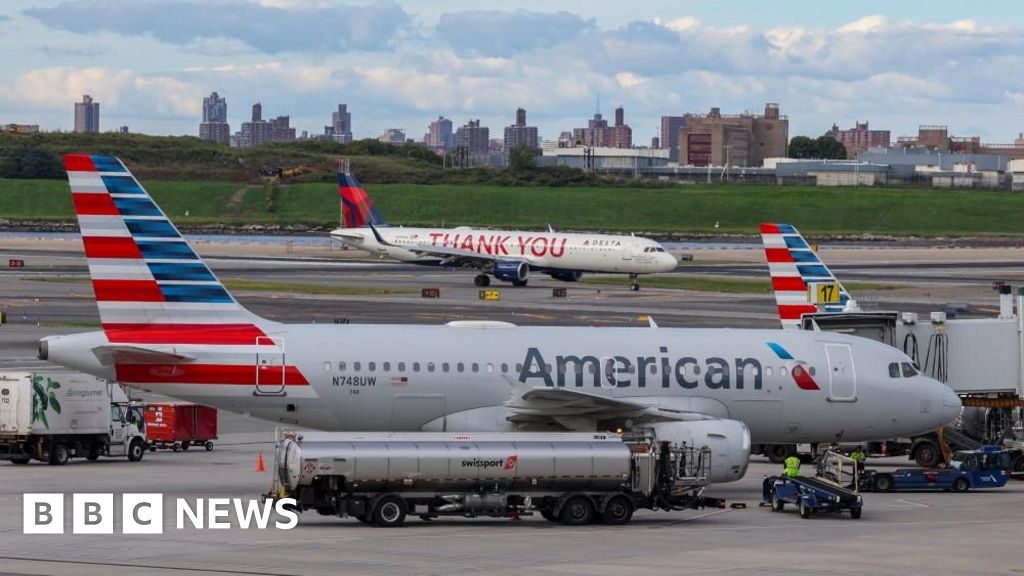
Recent events have brought a stark reminder of the delicate balance that underpins modern air travel. Major US airports experienced significant US airport delays and cancellations after a critical communications cable was inadvertently severed by construction workers. This incident sent ripple effects across the national air traffic control (ATC) system, disrupting thousands of flights and stranding countless passengers. Understanding the immediate cause, the broader implications for aviation infrastructure, and strategies for navigating such unforeseen disruptions is crucial for both travelers and industry stakeholders. This in-depth analysis from DevifyBlog delves into how a single cut can unravel a complex network, highlighting the need for robust redundancy and enhanced operational foresight in the aviation sector.
- Core Insight: A construction-related cable cut critically disrupted communication infrastructure, leading to widespread US airport delays and cancellations, revealing vulnerabilities in the national air traffic control system.
- Actionable Step: Travelers facing disruptions should monitor official airline apps, consider travel insurance, and know their passenger rights regarding delays and cancellations.
- Key Value: The incident underscores the urgent need for enhanced infrastructure protection, redundant communication systems, and improved coordination between construction projects and critical national infrastructure.
The Incident Unpacked: What Happened and Where?
The recent chaos that gripped major US airports originated from a seemingly isolated incident: the severing of a fiber optic cable by construction workers. While specific details can vary depending on the exact event the BBC report references, the typical scenario involves:
- Accidental Damage: Construction crews, often working on unrelated projects (e.g., roadworks, utility upgrades), inadvertently cut through buried communications lines.
- Critical Infrastructure Link: The damaged cable was not just any line; it was a vital component of the infrastructure supporting air traffic control (ATC) communications or essential airport operational systems. These cables facilitate data exchange between air traffic controllers, radar systems, flight plans, and ground operations.
- Immediate Impact: The moment the cable was cut, the affected ATC facilities or airport systems lost a critical communication pathway. This loss can range from degraded communication capabilities to complete outages in certain sectors.
- Widespread Disruption: Due to the interconnected nature of the national airspace system, an issue in one region rapidly cascades. Flights were grounded or significantly delayed across various major hubs, including those hundreds of miles from the initial incident site, as controllers worked to manage traffic safely with reduced capabilities.
“A single point of failure, however accidental, can trigger a nationwide cascade when dealing with highly integrated systems like air traffic control. Redundancy isn't a luxury; it's a necessity.”
Ripple Effect: How a Single Cable Cut Grounded Flights Nationwide
To understand the profound impact of a single cable cut, it's essential to grasp the intricate web of technology that keeps modern aviation safe and efficient. Air traffic control relies on:
- Radar Systems: Continuously tracking aircraft positions.
- Communication Networks: Enabling voice and data exchange between pilots and controllers.
- Flight Plan Management: Processing and updating flight trajectories.
- Weather Information Systems: Providing real-time meteorological data.
When a core fiber optic cable is severed, it can cripple one or more of these pillars. For instance, if the cable supports a specific ATC center, that center might lose vital radar feeds or communication lines to aircraft in its airspace. The immediate response from the Federal Aviation Administration (FAA) and airlines is to:
- Implement Ground Stops: Preventing aircraft from taking off into potentially compromised airspace.
- Issue Delays and Cancellations: Managing the backlog of affected flights.
- Reroute Traffic: Directing flights away from impacted areas, leading to longer flight times and increased fuel burn.
The domino effect extends beyond the initial delay. A delayed flight impacts crew schedules, aircraft availability for subsequent flights, and connecting passengers, creating a snowball effect across the entire system. This is why even a localized infrastructure failure can lead to significant flight cancellations USA and widespread operational headaches for airlines.
Beyond the Tarmac: Economic and Passenger Impact
The human and economic costs of such disruptions are substantial:
Passenger Frustration and Financial Strain
- Missed Connections: Travelers miss connecting flights, international transfers, and crucial appointments.
- Overnight Stays: Many are left stranded, incurring unexpected costs for accommodation and meals.
- Lost Time: Valuable personal and professional time is lost to waiting and re-planning.
- Stress and Anxiety: The uncertainty and lack of control amplify stress for millions.
Economic Repercussions
The aviation industry is a critical economic engine. Disruptions carry a heavy price tag:
- Airline Losses: Millions in lost revenue from canceled flights, rebooking costs, crew repositioning, and passenger compensation.
- Business Travel Impact: Conferences, meetings, and deals are postponed or missed, affecting productivity and corporate revenue.
- Supply Chain Disruptions: Air cargo, vital for time-sensitive goods like pharmaceuticals, electronics, and perishable items, faces delays, impacting global supply chains and potentially leading to significant financial losses for businesses.
Preventing Future Disruptions: Lessons Learned
Every incident offers valuable lessons. The recurrent theme of construction damage aviation infrastructure highlights several areas for improvement:
1. Enhanced Coordination and Communication
- "Dig Safe" Initiatives: Strict adherence to existing "call before you dig" laws and better enforcement.
- Detailed Mapping: Comprehensive, up-to-date digital maps of all underground critical infrastructure accessible to relevant parties.
- Pre-Construction Briefings: Mandating collaborative briefings between construction companies, utility providers, and infrastructure owners (like the FAA) before any excavation begins in sensitive areas.
2. Infrastructure Resilience and Redundancy
- Diversified Routing: Ensuring critical communication cables are not routed singularly but have multiple, geographically diverse pathways.
- Backup Systems: Investing in robust, instantaneous failover systems (e.g., satellite links, wireless alternatives) that can automatically activate if primary lines are compromised.
- Physical Protection: Implementing tougher conduits and deeper burial for essential cables in high-risk construction zones.
3. Regulatory Oversight and Investment
- FAA Modernization: Continuous investment in upgrading the FAA's technological infrastructure, including its communications backbone.
- Stricter Penalties: Imposing more significant penalties for negligence that leads to critical infrastructure damage.
- Proactive Audits: Regular audits of construction projects near vital aviation infrastructure to ensure compliance with safety protocols.
Navigating Air Travel in an Uncertain Landscape
While industry leaders work to bolster resilience, travelers must also adapt:
- Stay Informed: Download airline apps, sign up for flight alerts, and monitor official airport websites.
- Check Status Regularly: Verify your flight status hours before departure, especially during periods of known widespread disruptions.
- Know Your Rights: Familiarize yourself with airline delay/cancellation policies and passenger rights (e.g., DOT consumer protections).
- Consider Travel Insurance: Policies can cover unexpected costs like accommodation, meals, and rebooking fees during significant delays or cancellations.
- Pack Smart: Keep essentials in your carry-on in case of unexpected overnight stays.
Frequently Asked Questions (FAQs)
Q: Why did a cable cut cause such widespread delays?
A: A single cable cut can cripple vital communication or data networks essential for air traffic control (ATC) and airport operations. Due to the highly interconnected nature of the national airspace, a localized failure can degrade ATC capabilities, forcing controllers to slow traffic or issue ground stops across a much broader region to maintain safety, thus causing widespread US airport delays.
Q: Which US airports were most affected by the cable cut?
A: While the exact list depends on the specific incident and the cable's location, major hubs like Atlanta (ATL), Dallas/Fort Worth (DFW), Chicago O'Hare (ORD), New York (JFK/LGA/EWR), and Los Angeles (LAX) are typically among the first to experience significant ripple effects due to their high volume of traffic and status as critical connection points in the national air travel network.
Q: Are passengers entitled to compensation for flight delays due to infrastructure damage?
A: Generally, no. Airlines are typically not required to provide compensation for delays or cancellations caused by factors outside their control, such as severe weather, natural disasters, or third-party infrastructure failures like a cable cut. However, they usually offer rebooking options or travel vouchers. Checking specific airline policies and travel insurance details is always recommended.
Q: What measures are being taken to prevent similar incidents?
A: Efforts include stricter enforcement of "dig safe" laws, improved coordination and information sharing between construction companies and utility/infrastructure owners, investment in redundant communication systems (multiple pathways, backup links), and enhanced physical protection for critical buried cables. The FAA also continuously works on modernizing its national airspace systems.
Conclusion: Towards a More Resilient Airspace
The recent US airport delays triggered by a cable cut serve as a potent reminder that even highly advanced systems are vulnerable to seemingly minor incidents. The ripple effects demonstrate the critical interdependence of physical infrastructure and digital communication in maintaining the safety and efficiency of air travel. For the aviation industry, this incident underscores the imperative to:
- Prioritize redundancy and resilience in all critical systems.
- Enhance collaboration with external entities, particularly construction and utility companies.
- Invest continually in infrastructure modernization and protective measures.
For travelers, it reinforces the need for preparedness and informed decision-making. As our skies become increasingly busy, ensuring the robustness of the groundwork – both literal and metaphorical – is paramount to preventing future widespread disruptions and maintaining public trust in air travel.
What are your thoughts on strengthening critical infrastructure protection to safeguard air travel? Share your insights in the comments below!
Login to leave a comment.