


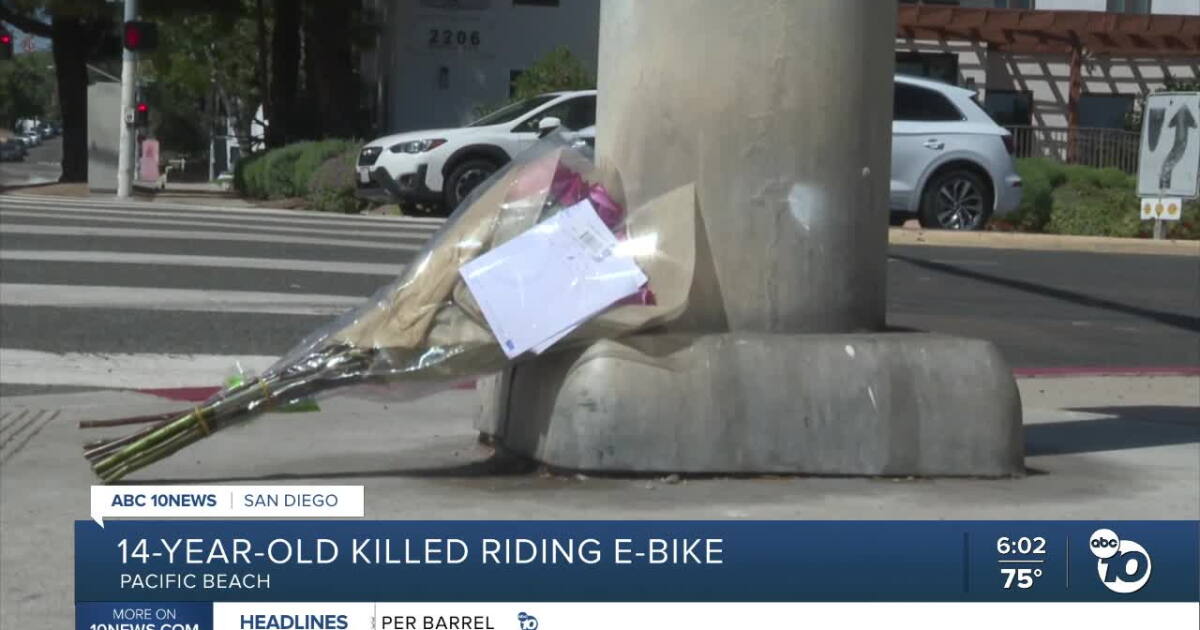
The vibrant streets of Pacific Beach, San Diego, were dimmed by a tragic e-bike accident on a Saturday night, claiming the life of a teenager. This devastating incident, reported by 10News.com, serves as a stark, urgent reminder of the growing safety challenges associated with the widespread adoption of electric bikes, particularly among younger riders. It compels communities, parents, riders, and policymakers to critically examine existing regulations, infrastructure, and educational initiatives to prevent future heartbreak. Understanding the risks and implementing proactive safety measures is paramount as e-bikes become an integral part of urban mobility.
- Core Insight: A recent tragic e-bike accident in Pacific Beach underscores critical safety gaps in rider education, infrastructure, and regulations, especially concerning teenage riders.
- Actionable Step: Prioritize comprehensive e-bike safety education for all ages, enforce helmet laws, improve cycling infrastructure, and advocate for clearer, consistent e-bike regulations.
- Key Value: Proactive community-wide efforts, combined with individual responsibility, are essential to harness the benefits of e-bikes while mitigating severe risks and preventing future tragedies.
The Pacific Beach Incident: A Stark Reminder of E-Bike Risks
The news of a teenager's death while riding an e-bike through a Pacific Beach intersection on a Saturday night sent shockwaves through the San Diego community. While specific details of the incident remain under investigation, such tragedies highlight the inherent vulnerabilities faced by e-bike riders, particularly when navigating busy urban environments and interacting with vehicular traffic. Intersections, known hotspots for collisions, become even more perilous for e-bike users due to factors like speed, quiet operation, and potential lack of rider experience or visibility.
This incident is not isolated. Across the nation, as e-bike sales soar, so too do reports of accidents, injuries, and fatalities. The increased speed and weight of e-bikes, combined with varying levels of rider proficiency and often insufficient safety infrastructure, create a complex challenge for public safety and urban planning.
The E-Bike Phenomenon: Growth, Opportunity, and Inherited Dangers
Electric bikes have rapidly transformed personal transportation, offering an eco-friendly, accessible, and often enjoyable alternative to cars and traditional bicycles. Their appeal has grown exponentially, attracting commuters, recreational riders, and a significant youth demographic. For many teenagers, e-bikes represent newfound freedom and independence, providing a quick way to get to school, friends' houses, or local businesses.
Why E-Bikes Are Gaining Traction:
- Accessibility: E-bikes make cycling viable for longer distances and varied terrains, even for those with limited physical stamina.
- Environmental Benefits: A greener alternative to gas-powered vehicles, reducing carbon footprints.
- Traffic Avoidance: Offer a way to bypass congested roadways.
- Fun Factor: The assisted speed provides an exhilarating experience.
However, this rapid adoption has outpaced the development of comprehensive safety frameworks. E-bikes, especially Class 3 models, can reach speeds of up to 28 mph, making them significantly faster and heavier than traditional bicycles. This increased velocity, coupled with their near-silent operation, can catch both riders and drivers unprepared, leading to critical safety lapses.
"The surge in e-bike popularity demands a corresponding surge in safety awareness and infrastructure development. We cannot afford to lag behind when lives are at stake."
Unpacking Key E-Bike Safety Challenges
The Pacific Beach tragedy underscores several critical challenges that need immediate attention:
1. Regulatory Gaps and Inconsistency
E-bike regulations vary widely by state and even by municipality, leading to confusion. California, for instance, classifies e-bikes into three categories, each with different rules regarding age, helmet use, and where they can be ridden. However, enforcement and public awareness of these distinctions are often lacking, particularly among young riders and their parents.
- Age Restrictions: Are current age limits appropriate for higher-speed e-bikes?
- Helmet Laws: Mandatory for all riders, regardless of age or e-bike class, is a common advocacy point.
- Lane Usage: Clear guidelines on where e-bikes can and cannot operate (bike lanes, roads, sidewalks).
2. Inadequate Infrastructure
Many urban areas, including parts of Pacific Beach, were not designed to safely accommodate the volume and speed of modern e-bikes alongside traditional bikes, pedestrians, and cars. This leads to:
- Insufficient Bike Lanes: Dedicated, protected bike lanes are crucial but often absent.
- Dangerous Intersections: Lack of clear markings, poor sightlines, and inadequate signaling for cyclists.
- Shared Paths: Conflicts arise when faster e-bikes share paths with slower pedestrians and traditional cyclists.
3. Rider Education and Awareness
Many e-bike riders, especially teenagers, may lack formal training in traffic laws, defensive riding techniques, or the specific handling characteristics of e-bikes. Distracted riding (using phones, headphones) further exacerbates the risk.
Essential Training Areas:
- Understanding and obeying all traffic signals and signs.
- Developing defensive riding skills, anticipating driver actions.
- Maintaining visibility (lights, reflective gear) at all times.
- Avoiding distractions while riding.
- Understanding the capabilities and limitations of their specific e-bike.
The Business Angle: Impact and Responsibility
Tragedies like the one in Pacific Beach have significant implications beyond the immediate human cost, touching various business sectors:
- Local Businesses & Tourism: Negative publicity can affect local tourism and businesses, particularly those in vibrant areas like Pacific Beach that rely on a positive, safe image. There may be calls for increased local regulation impacting mobility options.
- E-Bike Rental Companies: Face increased scrutiny regarding their rental policies, age verification, mandatory helmet usage, and provision of safety briefings. Liability concerns escalate, potentially leading to higher insurance premiums or stricter operational guidelines.
- Insurance Industry: Growing e-bike accidents translate to more claims, prompting insurers to review and potentially revise personal injury and liability policies for e-bike users and related businesses.
- E-Bike Manufacturers: Under pressure to enhance safety features, provide clearer warnings and instructions, and potentially contribute to educational campaigns. This could drive innovation in safety technology.
- Urban Planning & Infrastructure Firms: See an increased demand for expertise in designing safer, multi-modal transportation systems, offering business opportunities in infrastructure development.
Ultimately, a robust safety framework is not just a moral imperative but also good business sense. It fosters public trust, reduces liability, and ensures the sustainable growth of the e-bike industry and local economies.
Preventing Future Tragedies: A Multi-faceted Approach
Addressing e-bike safety requires a collaborative effort from multiple stakeholders:
For Riders and Parents:
- Mandatory Helmet Use: Emphasize helmets for all riders, regardless of age or local law. It's the simplest, most effective way to prevent severe head injuries.
- Rider Education: Encourage formal safety courses. Parents should educate their children on traffic laws and defensive riding.
- Visibility: Always use front and rear lights, wear reflective clothing, especially at dawn, dusk, and night.
- Age-Appropriate E-Bikes: Ensure teenagers ride e-bikes suitable for their age, skill level, and local regulations.
- Avoid Distractions: No phones, no headphones that obscure traffic sounds.
For Communities and Policymakers:
- Infrastructure Investment: Develop more protected bike lanes, improve intersection design, and create clear signage.
- Unified Regulations & Enforcement: Work towards consistent e-bike laws and ensure they are effectively communicated and enforced.
- Public Awareness Campaigns: Launch educational initiatives for both e-bike riders and motorists on safe interaction.
- Data Collection: Systematically collect data on e-bike accidents to identify patterns and inform policy.
Frequently Asked Questions (FAQs)
Q: What are the specific e-bike laws in California for teenagers?
In California, Class 1 (pedal-assist, max 20 mph) and Class 2 (throttle-assist, max 20 mph) e-bikes can be ridden by any age. However, Class 3 (pedal-assist, max 28 mph) e-bikes require the rider to be 16 years or older, and helmets are mandatory for Class 3 riders of all ages. All e-bike riders under 18 must wear a helmet, regardless of class.
Q: What safety gear is essential for e-bike riders?
Essential safety gear includes a properly fitted helmet (CPSC certified), front and rear lights (mandatory at night), reflective clothing, and ideally, gloves and eye protection. Choosing bright-colored attire also significantly increases visibility.
Q: How can communities make e-bike riding safer?
Communities can enhance safety by investing in protected bike lanes, improving intersection design for cyclists, running public awareness campaigns on e-bike rules and safe sharing of roads, and consistently enforcing traffic laws for both cyclists and motorists. Developing robust rider education programs is also key.
Q: Are e-bikes more dangerous than regular bikes?
E-bikes typically have a higher top speed and are heavier than traditional bicycles, which can contribute to more severe accidents if collisions occur. Their quiet operation can also make them less noticeable to pedestrians and drivers. However, with proper training, adherence to traffic laws, and appropriate safety gear, e-bike riding can be as safe as traditional cycling.
Conclusion: A Collective Commitment to Safety
The tragic loss of a teenager in Pacific Beach serves as a poignant reminder that while electric bikes offer tremendous potential for urban mobility and recreation, they also carry significant risks that demand our collective attention. From individual responsibility to community-wide infrastructure improvements and clear legislative frameworks, a multi-faceted approach to e-bike safety is not just an option, but a necessity. By working together – riders, parents, educators, policymakers, and businesses – we can ensure that the promise of e-bikes is realized without further tragic costs, creating safer streets for everyone.
What steps do you think your community should prioritize to enhance e-bike safety, especially for young riders? Share your thoughts in the comments below!
Login to leave a comment.