


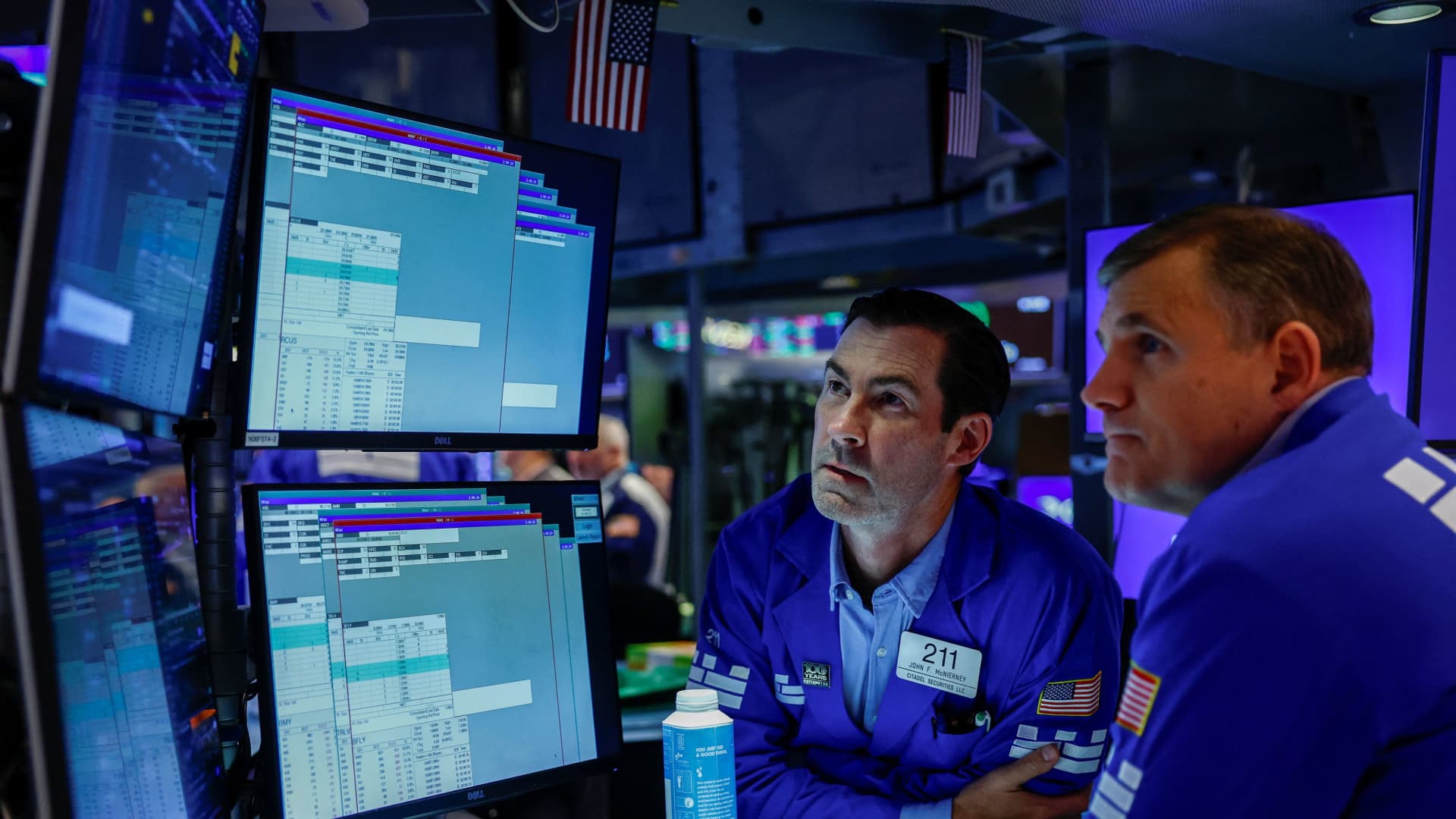
In a fascinating turn of events, stock futures remained largely unchanged even as the Nasdaq Composite recently marked a fresh, historic record high. This apparent disconnect might seem counterintuitive to many investors. Typically, a major index reaching new peaks signals robust market optimism, which often translates into upward movement in futures markets. However, the current scenario suggests a more nuanced narrative, one shaped by a complex interplay of economic data, investor caution, and pre-existing market pricing. Understanding this dynamic is crucial for making informed investment decisions and accurately assessing the broader market sentiment.
- Core Insight: The stability in stock futures despite the Nasdaq's record reflects a market already pricing in strong tech performance and a cautious outlook on broader economic factors.
- Actionable Step: Investors should look beyond headline numbers, analyze underlying economic indicators, and consider diversified strategies to navigate this nuanced market environment.
- Key Value: Understanding the drivers behind this stability provides crucial context for future market movements and helps identify potential opportunities and risks.
The Nasdaq's Ascent: A Testament to Tech Resilience
The Nasdaq Composite, heavily weighted towards technology and growth stocks, has been a stellar performer. Its recent record-breaking surge underscores the enduring strength and innovation within the tech sector. Companies driving advancements in artificial intelligence, cloud computing, and digital transformation continue to command investor confidence, propelling the index to unprecedented levels.
"The Nasdaq's record is a clear indicator of sustained investor belief in the growth trajectory of technology and innovation-driven companies," notes Dr. Evelyn Reed, Chief Market Strategist at Global Asset Management. "However, the broader market's reaction, as seen in futures, tells a more complex story."
This rally is often fueled by several factors:
- Strong Corporate Earnings: Many tech giants have reported robust earnings, exceeding analyst expectations and demonstrating healthy fundamentals.
- AI Hype: The burgeoning enthusiasm around artificial intelligence continues to drive significant investment into companies positioned to capitalize on this transformative technology.
- Anticipated Rate Cuts: Expectations of potential interest rate cuts by the Federal Reserve, while now more tempered, historically favor growth stocks by making future earnings more valuable.
Decoding Stock Futures: More Than Just a Snapshot
Stock futures contracts are agreements to buy or sell a specific stock index (like the Nasdaq 100 or S&P 500) at a predetermined price on a future date. They are a critical barometer of market sentiment because they reflect what investors believe the value of an index will be tomorrow, next month, or even next quarter. They operate almost around the clock, offering insights into investor psychology outside of standard trading hours.
When futures remain 'little changed' after a significant event like a record high in a major index, it suggests:
- Prior Pricing: The market may have already anticipated and priced in the factors leading to the index's record before the actual event.
- Mixed Signals: Investors might be weighing the positive news of the record against other less optimistic economic data or geopolitical concerns.
- Cautious Optimism: While celebrating the record, traders could be adopting a 'wait and see' approach, hesitant to push futures much higher without further catalysts.
- Profit-Taking & Rebalancing: Some investors might use record highs as an opportunity to take profits, offsetting new buying pressure.
The Conundrum of Stability: Key Influencers at Play
Economic Data vs. Market Euphoria
While the Nasdaq charges ahead, broader economic indicators present a more mixed picture. Inflation, though cooling, remains a concern, and the path of future interest rate decisions by the Federal Reserve is still uncertain. Recent jobs reports, consumer spending data, and manufacturing surveys often offer divergent signals, contributing to the cautious stance in futures.
- Inflationary Pressures: Persistent inflation could lead to higher-for-longer interest rates, potentially dampening future corporate earnings.
- Federal Reserve Stance: The Fed's nuanced communications on monetary policy often create an environment of measured anticipation, preventing runaway market exuberance.
Beyond Tech: Broader Market Sentiment
The Nasdaq's performance is not always indicative of the entire market. Other sectors, such as industrials, financials, or energy, might not be experiencing the same level of growth or optimism. The stability in futures could reflect a more balanced assessment of the overall economy, where strength in one area is offset by stagnation or weakness elsewhere.
The Role of Technical Analysis and Market Structure
Experienced traders often look at technical levels, resistance points, and market breadth. It's possible that futures are holding steady at technical resistance levels, or that a divergence in market breadth (where fewer stocks are participating in the rally) is signaling underlying caution.
What This Means for Investors: Navigating Nuance
For the astute investor, this period of apparent calm amidst record highs offers both challenges and opportunities. It underscores the importance of a nuanced approach to market analysis.
- Diversification is Key: Relying solely on the performance of a single sector (like tech) can be risky. A diversified portfolio across various sectors and asset classes can mitigate potential downturns.
- Focus on Fundamentals: Look beyond headline numbers. Evaluate companies based on their intrinsic value, earnings growth, debt levels, and competitive advantages.
- Stay Informed on Macroeconomics: Keep a close eye on inflation reports, employment data, and central bank communications. These macro factors often dictate broader market movements more than individual stock performance.
- Consider Dollar-Cost Averaging: Investing a fixed amount regularly, regardless of market fluctuations, can help average out purchase prices and reduce the impact of volatility.
Looking Ahead: Factors to Watch
The market's immediate future will likely be shaped by several critical elements:
- Federal Reserve Policy: Any shift in the Fed's stance on interest rates will have a profound impact on all asset classes, especially growth stocks.
- Corporate Earnings Season: The upcoming earnings reports will provide a clearer picture of corporate health and forward guidance.
- Geopolitical Developments: Global events, from trade tensions to regional conflicts, can introduce volatility and shift market sentiment quickly.
- Technological Advancements: Continued innovation, particularly in AI, will likely keep the tech sector in focus, but saturation or regulatory concerns could emerge.
Frequently Asked Questions (FAQs)
Q: What are stock futures, and why are they important?
A: Stock futures are derivative contracts that oblige a buyer to purchase or a seller to sell an underlying stock index at a predetermined price on a future date. They are crucial as they act as a real-time indicator of overall market sentiment and expectations for future index performance, often trading around the clock.
Q: Why would stock futures be unchanged after a major index like the Nasdaq posts a record high?
A: This often occurs because the market has already 'priced in' the positive news leading to the record. It can also reflect a cautious outlook due to other economic uncertainties (e.g., inflation, interest rates) or a period of consolidation where investors are taking profits or rebalancing portfolios rather than aggressively pushing futures higher.
Q: Does the Nasdaq's record high mean the entire stock market is bullish?
A: Not necessarily. While the Nasdaq's record indicates strong performance in technology and growth stocks, other sectors might not be experiencing similar growth. Futures stability can reflect a more balanced or even cautious sentiment across the broader market, where strengths in one area are offset by concerns elsewhere.
Q: How should investors adjust their strategy in a market with mixed signals?
A: Investors should prioritize diversification across sectors, focus on fundamental analysis of companies, stay informed on macroeconomic trends (like inflation and Fed policy), and consider strategies like dollar-cost averaging. This helps mitigate risks and capture opportunities in a nuanced market environment.
Conclusion: A Market of Measured Expectations
The scenario where stock futures remain largely unchanged despite the Nasdaq Composite hitting a new record offers a compelling lesson in market dynamics. It's a testament to a market that is forward-looking, often pricing in events well in advance, and one that operates with a healthy dose of caution, weighing individual sector strengths against broader economic realities. For investors, this environment calls for vigilance, informed analysis, and a diversified strategy. The headlines might grab attention, but the underlying currents tell the true story of opportunity and risk.
What are your thoughts on this market behavior? Do you see it as a sign of underlying strength or a precursor to volatility? Share your insights in the comments below!
Login to leave a comment.