


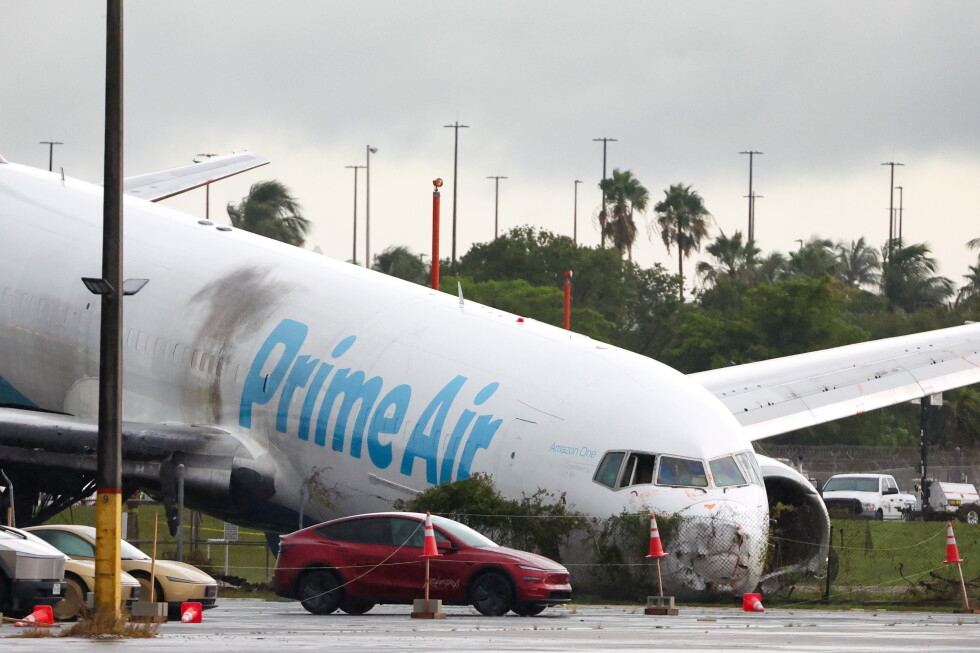
The skies, usually a symbol of freedom and seamless travel, can sometimes hold untold stories of peril. The recent cargo jet crash near Miami stands as a stark reminder of this fragile reality, etching itself into the annals of aviation history. What exactly transpired in those final, fatal moments? According to exhaustive flight data analysis from AP News, the cargo jet attempted to abort an unsteady landing just before the catastrophic Miami crash that claimed five lives. This critical insight not only reshapes our understanding of the accident but also underscores the indispensable role of modern aviation technology in dissecting complex failures and bolstering future safety protocols.
- Core Insight: Flight data unequivocally indicates the cargo jet initiated an attempt to abort an unsteady landing prior to the devastating Miami crash.
- Actionable Step: Emphasize the critical role of comprehensive flight data recording and analysis in uncovering the intricate causes of aviation incidents, vital for enhancing global safety standards.
- Key Value: This in-depth analysis provides a crucial understanding of the crash's contributing factors, the investigative process, and its broader implications for improving aviation safety across the industry.
The Incident: A Timeline of Tragedy
On that fateful day, a routine cargo flight destined for Miami International Airport veered tragically off course, culminating in a devastating crash. Initial reports were grim, but the full picture remained shrouded in mystery. The incident quickly became a focal point for aviation experts, safety investigators, and the public alike, all eager to understand how such a calamity could occur. The impact was severe, leading to significant loss of life and a profound sense of shock within the aviation community.
“Every piece of data, every witness statement, and every fragment from the crash site tells a part of the story, allowing investigators to meticulously reconstruct the final moments.”
While the immediate aftermath was chaotic, the focus swiftly shifted to the investigation. The National Transportation Safety Board (NTSB) immediately dispatched a team of seasoned investigators to the scene, their primary objective to gather evidence, identify potential causes, and prevent similar tragedies in the future. Their work, though painstaking, is fundamental to the continuous evolution of aviation safety.
Unveiling the Flight Data: What the Black Box Revealed
The heart of any aviation accident investigation lies within the 'black boxes' – the Flight Data Recorder (FDR) and the Cockpit Voice Recorder (CVR). These robust devices are engineered to withstand extreme forces, safeguarding critical information about a flight's parameters and cockpit communications. In the case of the Miami cargo jet crash, the data recovered from these recorders has been instrumental.
The Unsteady Approach
Preliminary analysis of the flight data recorder painted a concerning picture of the aircraft's final approach. It indicated deviations from standard parameters, suggesting an 'unsteady' or 'unstabilized' approach. An unsteady approach can be triggered by a multitude of factors, including:
- Adverse weather conditions (e.g., strong crosswinds, turbulence)
- Aircraft control issues (e.g., misaligned runway, excessive speed or altitude)
- Air traffic control instructions
- Pilot fatigue or situational awareness issues
When an approach becomes unsteady, aviation protocols dictate specific actions, often culminating in a 'go-around' – an aborted landing procedure where the aircraft powers up and climbs away from the runway to attempt another approach.
The Abort Attempt
What the AP News report, citing flight data, confirms is a critical, albeit ultimately unsuccessful, attempt to abort the landing. The data suggests the crew recognized the unstabilized approach and initiated corrective actions, likely with the intention of performing a go-around. This would involve increasing engine thrust, adjusting flap settings, and pitching up to gain altitude. However, something went catastrophically wrong during this crucial maneuver.
The decision to abort a landing is a complex, high-stress event requiring precise execution. While it is a standard procedure taught extensively in pilot training, the margins for error can be razor-thin, especially when already in a compromised position close to the ground.
Investigative Insights: NTSB's Role and Process
The NTSB's investigation into the Miami cargo jet crash is a multi-faceted endeavor, extending far beyond the initial flight data analysis. Their process is thorough and systematic, leaving no stone unturned. Key aspects include:
- Site Examination: Meticulous mapping and analysis of the crash debris field to understand impact forces and trajectories.
- Component Review: Disassembly and forensic examination of critical aircraft components, including engines, flight controls, and avionics, for evidence of pre-impact failure.
- Human Factors: Assessing crew qualifications, training records, medical histories, and potential stressors.
- Operational Factors: Reviewing air traffic control communications, airline maintenance records, and operational procedures.
- Environmental Factors: Analyzing weather conditions, visibility, and any external influences.
Beyond the Data: Human and Environmental Factors
While flight data provides the 'what,' the investigation seeks the 'why.' This involves integrating the data with other evidence:
- Pilot Decision-Making: What were the pilots' perceptions? Were there any physiological or psychological factors influencing their judgment?
- Communication Breakdown: Were there any issues in communication with air traffic control or between crew members?
- System Malfunctions: Did any mechanical or electronic system failures contribute to the unsteadiness or the failed abort attempt?
- External Conditions: How did weather, runway conditions, or other environmental factors play a role?
The NTSB's final report will synthesize all these elements to provide a comprehensive understanding, offering recommendations aimed at preventing similar incidents.
Broader Implications for Aviation Safety
Every aviation accident, however tragic, serves as a harsh lesson. The Miami cargo jet crash, with its indication of an abort attempt, will undoubtedly catalyze further examination of critical safety areas within the cargo aviation sector and beyond.
The Criticality of Flight Data Recorders
This incident once again highlights the paramount importance of FDRs and CVRs. Without the detailed flight parameters and cockpit audio, understanding the sequence of events and the crew's intentions would be speculative at best. Ongoing advancements in flight recorder technology, including real-time data streaming, aim to provide even quicker access to vital information, potentially aiding in immediate response and investigation.
Enhancing Pilot Training and Emergency Protocols
The focus on an unsteady approach and aborted landing attempt will likely lead to a renewed emphasis on these specific training scenarios. Airlines and regulatory bodies may review and refine:
- Go-Around Procedures: Ensuring crews are proficient in timely recognition of unstabilized approaches and flawless execution of go-around maneuvers under various stress conditions.
- Crew Resource Management (CRM): Reinforcing effective communication, decision-making, and teamwork within the cockpit during critical phases of flight.
- Simulator Training: Incorporating more realistic and challenging scenarios that replicate complex environmental and operational conditions leading to abort decisions.
The Future of Cargo Aviation Safety
Cargo aviation operates under unique pressures, often flying into less-equipped airports, at odd hours, and with varying loads. This incident will prompt a closer look at:
- Aircraft Maintenance: Ensuring rigorous maintenance schedules and inspections for aging cargo fleets.
- Regulatory Oversight: Reviewing and updating specific regulations pertinent to cargo operations.
- Technological Integration: Exploring how advanced avionics, ground proximity warning systems, and enhanced vision systems can further mitigate risks during approach and landing.
The Human Cost and Lessons Learned
Behind every statistic and technical analysis are human lives – the crew members, their families, and the communities affected. The five fatalities in the Miami crash are a somber reminder of the ultimate price paid when safety systems fail. The NTSB's work, while technical, carries the profound responsibility of honoring those lives by extracting every possible lesson to prevent future loss.
Ultimately, this incident will contribute to the vast body of knowledge that continuously refines aviation safety. It underscores the aviation industry's commitment to relentless self-improvement, where every accident, every piece of data, becomes a building block for a safer future in the skies.
Frequently Asked Questions (FAQs)
Q: What is an "unsteady landing approach"?
An unsteady or unstabilized landing approach occurs when an aircraft deviates significantly from established parameters for speed, altitude, glide path, or configuration (flaps, landing gear) during its final descent to the runway. Such deviations increase the risk of an accident.
Q: What does it mean to "abort a landing"?
To abort a landing, also known as a "go-around," means the pilot decides not to land after initiating the approach. This typically happens if the approach is deemed unsteady, if there's an obstruction on the runway, or if air traffic control issues a command. The aircraft increases power and climbs away to attempt another approach.
Q: How do flight data recorders (black boxes) help in investigations?
Flight data recorders (FDRs) record hundreds of parameters like speed, altitude, heading, engine performance, and control surface positions. Cockpit voice recorders (CVRs) capture cockpit audio. Together, they provide crucial, objective data that allows investigators to reconstruct the flight's final moments, understand aircraft performance, and determine crew actions and communications.
Q: What is the NTSB's role in a crash investigation like this?
The National Transportation Safety Board (NTSB) is an independent U.S. government agency responsible for investigating civil aviation accidents and incidents. Their role is to determine the probable cause of accidents, identify contributing factors, and issue safety recommendations to prevent similar occurrences in the future. They do not assign blame or liability.
Conclusion: Learning from Tragedy
The Miami cargo jet crash, with its harrowing detail of an aborted landing attempt, serves as a critical juncture for aviation safety. The insights gleaned from the flight data are not merely technical findings; they are profound lessons etched in the memory of a tragedy. They compel us to continuously scrutinize, refine, and advance every aspect of aviation – from pilot training and air traffic control protocols to aircraft design and maintenance.
For the aviation industry, the path forward is clear: a relentless pursuit of safety, driven by data, experience, and an unwavering commitment to protecting human lives. What are your thoughts on the continuous evolution of aviation safety? Share your perspectives in the comments below.
Login to leave a comment.