


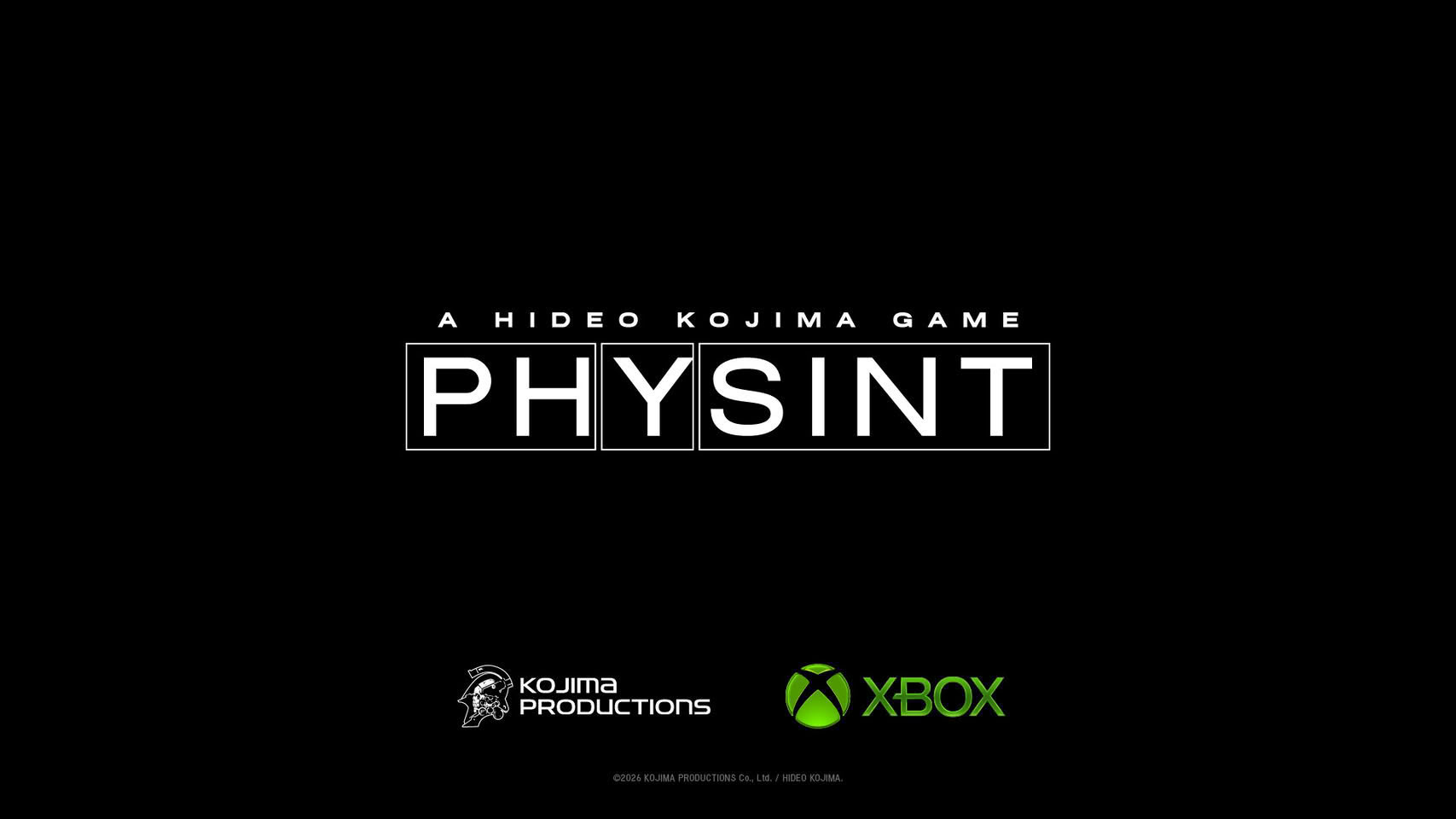
Hideo Kojima, the revered mastermind behind iconic titles like Metal Gear Solid and Death Stranding, has revealed a surprising development regarding his upcoming project, 'PHYSINT'. During a recent interview, Kojima disclosed that Sony Interactive Entertainment had abruptly decided to drop the espionage action game during a Zoom call, providing no specific reason for their change of heart. This revelation has sent ripples through the gaming community, sparking intense speculation about the future of Kojima Productions' ambitious title and the nature of publisher-developer relationships.
The news comes as a particular shock given Kojima's long-standing and often fruitful relationship with Sony. His previous title, Death Stranding, was a PlayStation exclusive (initially) and garnered significant attention, both critically and commercially, for its unique gameplay and narrative vision. The sudden withdrawal of support for PHYSINT, especially without a clear explanation, raises questions about Sony's strategic direction and its dealings with one of the industry's most prominent creative forces.
The Ambition Behind PHYSINT: A New Era of Espionage
PHYSINT was first unveiled with much excitement, positioned as a "new-generation espionage action game" that promised to push boundaries, much like Kojima's seminal Metal Gear Solid series once did. Kojima had expressed a desire to return to the espionage genre, albeit with a modern twist, blending elements of gaming with film. The project was even announced to be partnering with Hammerstone Studios for a potential film adaptation, underscoring its multimedia ambitions from the outset.
Details about the game's mechanics and narrative were scarce but highly anticipated. Kojima's reputation for intricate storytelling, innovative gameplay, and profound thematic exploration led many to believe that PHYSINT would be another groundbreaking experience. The concept of an interactive espionage thriller, blurring the lines between player agency and cinematic narrative, was precisely the kind of vision fans expected from Kojima Productions.
The Abrupt Halt: A Zoom Call and Zero Explanation
According to Kojima, the decision from Sony was communicated in a manner that was both swift and devoid of rationale. "It was during a Zoom call," Kojima reportedly stated, implying a clinical and perhaps impersonal delivery of such a significant decision. The most striking detail, however, was the complete absence of a reason provided by Sony. This lack of transparency has left many, including potentially Kojima himself, bewildered.
For a project of this magnitude, backed by a developer of Kojima's stature, such an abrupt and unexplained cancellation is highly unusual. Typically, publishers provide detailed feedback, strategic shifts, or financial justifications for halting development on a high-profile title. The silence from Sony suggests either an extremely sensitive internal matter or a strategic decision so clear-cut that it required no elaboration, at least from their perspective.
Kojima's Reaction and the Industry's Response
While Kojima's exact emotional response wasn't detailed, the very act of him publicly disclosing this information suggests a degree of disappointment or frustration. Developers pour years of their lives into these projects, and to have one unceremoniously dropped, especially when tied to a major publisher, can be a significant blow. The news has ignited a firestorm of discussion across gaming forums and social media, with fans expressing a mix of shock, anger, and concern for the future of Kojima Productions.
Many industry insiders are also weighing in, highlighting the complex dynamics between creative visionaries and the commercial realities of large publishing houses. This incident serves as a stark reminder that even the most celebrated creators are not immune to the often-opaque decision-making processes of their corporate partners.
Pondering Sony's Silence: Strategic Shifts or Commercial Concerns?
Without an official statement from Sony, the reasons behind the cancellation remain purely speculative. Several theories are circulating within the industry:
- Strategic Re-prioritization: Sony might be shifting its focus towards other exclusive titles or genres, perhaps in response to market trends or competition.
- Financial Considerations: Despite Kojima's pedigree, developing a "new-generation" game is incredibly expensive. Sony might have deemed the projected costs too high or the potential return on investment insufficient.
- Creative Differences: While less likely to result in a complete silence, subtle creative divergences could have escalated, leading to an irreconcilable split.
- Project Scope or Timeline: PHYSINT might have grown too ambitious, exceeding initial budget or timeline projections, making it untenable for Sony's current pipeline.
- Internal Restructuring: Changes within Sony Interactive Entertainment's leadership or internal strategy teams could lead to a reassessment of existing commitments.
Each of these possibilities, however, typically comes with some form of communication. The complete lack of explanation from Sony is what truly sets this situation apart, intensifying the mystery.
The Future of PHYSINT and Kojima Productions
The immediate future of PHYSINT is now uncertain. Could another publisher step in to rescue the project? Given Kojima's global appeal and the game's high concept, it's not implausible. Xbox, for instance, has been actively pursuing partnerships with Japanese developers and high-profile creators, as evidenced by their collaboration on Kojima Productions' cloud-native project, 'OD'. This makes a potential PHYSINT revival under a different banner a distinct possibility.
For Kojima Productions, this episode underscores the volatile nature of game development, even for a studio headed by a legendary figure. It reinforces the importance of diverse partnerships and perhaps greater independence. While the cancellation is undoubtedly a setback, Kojima's track record suggests he will continue to innovate and deliver unique experiences, whether PHYSINT finds a new home or his creative energies are redirected to his other announced projects.
A Lingering Question Mark for the Industry
Ultimately, the saga of PHYSINT and Sony's unexplained withdrawal leaves a significant question mark hanging over the gaming industry. It challenges the conventional understanding of publisher-developer relationships, especially when a celebrated creator is involved. The lack of transparency from Sony sets a precedent that could be concerning for independent developers relying on publisher support.
As the gaming world awaits further clarification, or perhaps a new announcement from Kojima himself, the incident serves as a poignant reminder of the intricate, often unpredictable, dance between artistic vision and corporate strategy that defines modern game development. For now, PHYSINT remains a dream deferred, its fate shrouded in the enigmatic silence of a fateful Zoom call.
Login to leave a comment.