


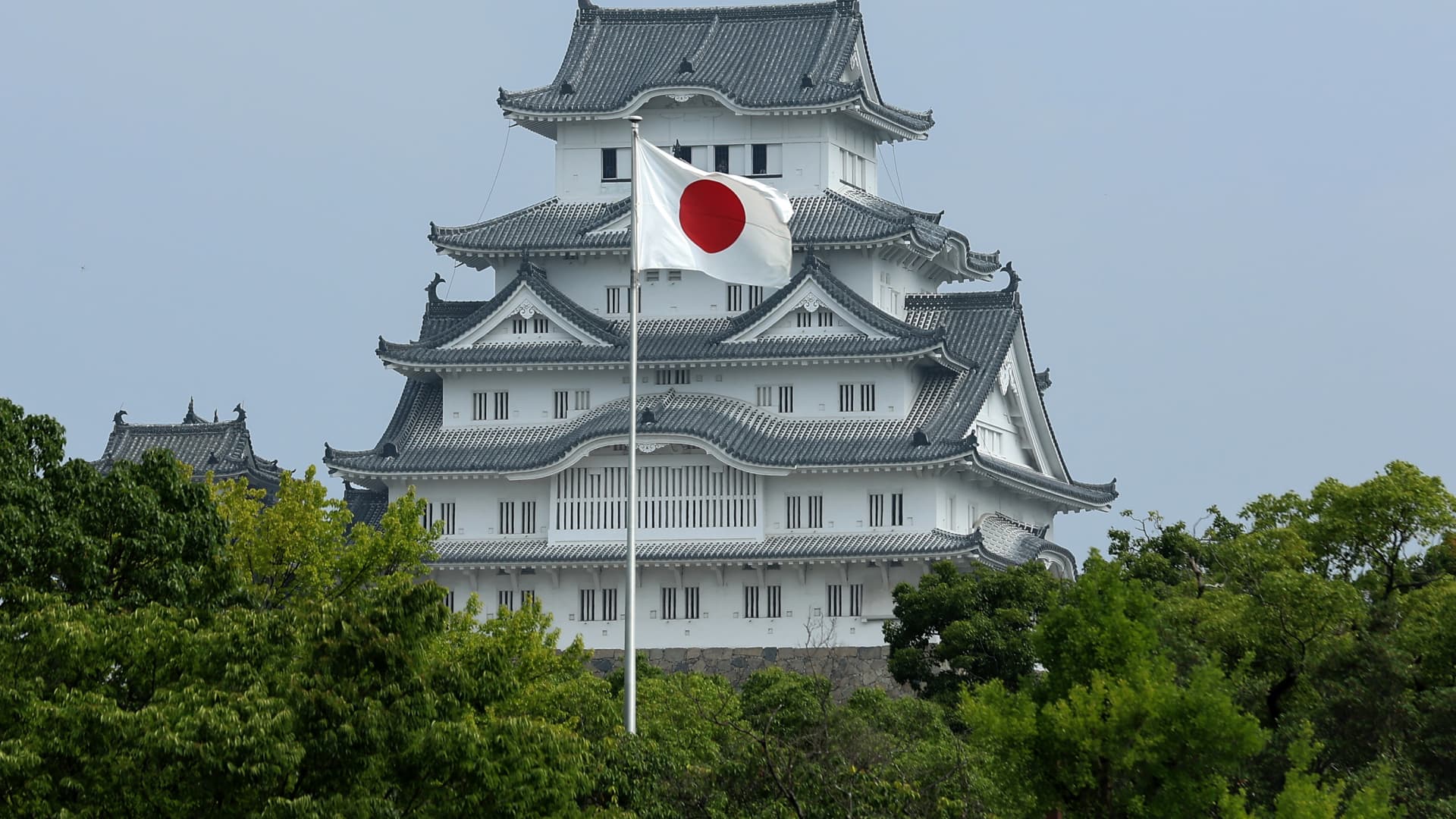
Japan, a nation renowned for its deep-rooted traditions and remarkable longevity, is witnessing a quiet but profound crisis. Businesses that have weathered world wars, economic booms, and decades of societal change are now facing their ultimate challenge, with many failing to survive the present decade. A recent CNBC report highlights this alarming trend, noting that Japan's century-old enterprises, once symbols of enduring resilience, are disappearing at a record pace, unlikely to see 2026.
This phenomenon presents a stark paradox. How can companies that survived the devastation of World War II, the seismic shifts of the post-war economic miracle, and subsequent periods of stagnation now succumb to modern pressures? The answer lies in a confluence of factors, ranging from an aging population and a critical succession crisis to evolving economic landscapes and a struggle to adapt to the digital age.
The Unyielding Spirit of Japanese Longevity
For centuries, Japan has been a global anomaly in business longevity. The nation boasts the highest concentration of century-old businesses worldwide, with thousands of 'shinise' (old shops or companies) still operating. These establishments, often family-run, are not merely commercial entities; they are custodians of cultural heritage, preserving ancient crafts, culinary traditions, and unique service philosophies known as 'omotenashi'.
Many of these firms demonstrated incredible fortitude. They rebuilt from ashes after bombings, navigated the hyperinflation and resource scarcity of the immediate post-war era, and adapted to the rapid industrialization that transformed Japan into an economic superpower. Their survival was often attributed to a profound sense of duty, long-term vision over short-term profits, and an unwavering commitment to quality and community.
A Perfect Storm: Why Now?
The current wave of closures, however, suggests that the traditional resilience is no longer enough. Experts point to several intertwined issues:
- The Succession Crisis: This is arguably the most significant factor. Japan has one of the world's oldest populations, and many business owners are well into their 70s or 80s. Their children, often educated in urban centers, are increasingly unwilling or unable to take over the family business. The rigid structures, long hours, and perceived lack of innovation in traditional businesses deter younger generations who seek different career paths or better work-life balance.
- Economic Stagnation and Deflation: Decades of low economic growth and deflation have squeezed profit margins, making it difficult for many traditional businesses to invest in modernization or offer competitive wages. The 'lost decades' have taken a cumulative toll, eroding capital and future prospects.
- Lack of Digital Adaptation: Many 'shinise' have struggled to embrace digitalization. They lack an online presence, rely on traditional marketing, and are slow to adopt e-commerce or modern payment systems. This alienates younger consumers and limits their market reach in an increasingly digital world.
- Changing Consumer Habits: Younger Japanese consumers have different preferences. They may opt for convenience stores over traditional specialty shops, or global brands over local artisans, leading to a dwindling customer base for older establishments.
- Labor Shortages: Beyond succession, many traditional sectors face a general shortage of skilled labor. Attracting and retaining employees in physically demanding or niche professions is increasingly difficult.
- Increased Competition: Globalization and the rise of agile, modern businesses mean that even niche traditional companies face competition from larger, more efficient, or technologically advanced rivals.
The Grim Data and the Shadow of 2026
While precise real-time numbers are hard to quantify, reports indicate that thousands of businesses with histories spanning 100 years or more are closing their doors annually. This isn't just about small corner shops; it includes venerable 'ryokan' (traditional inns), sake breweries, artisanal workshops, and local manufacturers, each representing a unique thread in Japan's cultural fabric. The CNBC headline's ominous mention of "not 2026" underscores the accelerating pace of these closures, suggesting that the problem is not merely ongoing but rapidly intensifying, reaching a critical threshold within the next few years.
This trend represents an immense loss, both economically and culturally. The disappearance of these businesses means the fading of unique skills, regional identities, and the tangible links to Japan's rich past. It erodes the social capital of communities, where these establishments often served as vital hubs.
Efforts and the Path Forward
Some initiatives are underway to stem the tide. Government programs offer subsidies for business owners looking to modernize or find successors, while private equity firms and 'M&A' specialists are increasingly looking to acquire and revitalize struggling legacy businesses. However, these efforts often face significant hurdles, including owners' reluctance to sell or alter long-standing traditions, and the sheer scale of the problem.
For Japan, the challenge is clear: how to preserve its invaluable heritage and unique business models while adapting to the undeniable realities of the 21st century. The looming spectre of 2026 serves as a stark reminder that time is rapidly running out for many of these treasured institutions.
Login to leave a comment.