


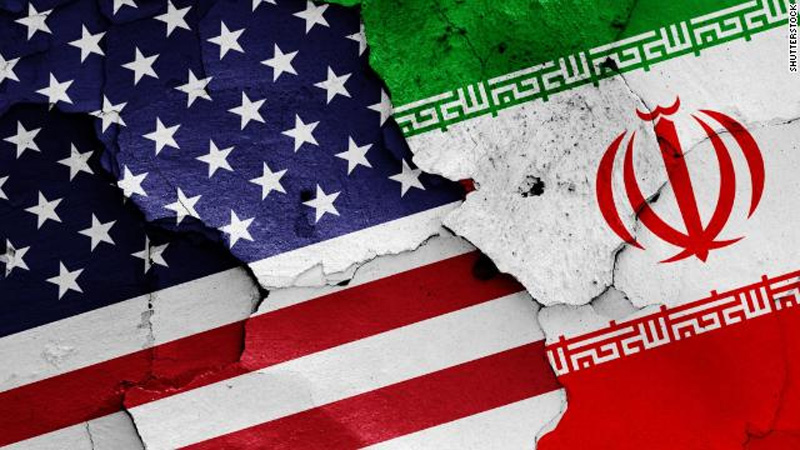
JERUSALEM – In a dramatic escalation of an already fraught regional conflict, Israel launched a direct military strike against Iran early Friday morning, prompting the immediate declaration of a nationwide state of emergency. The retaliatory action follows an unprecedented drone and missile barrage launched by Iran against Israel just days prior, igniting fears of a wider, devastating war across the Middle East.
According to reports from CNN and other international outlets, the Israeli strike targeted locations within Iran, though specific details on the nature and extent of the damage remain limited. The move marks a perilous new chapter in the long-standing shadow war between the two regional adversaries, bringing their confrontation into the overt domain and sending shockwaves across the globe.
Israel's Retaliatory Action
The Israeli military confirmed its operation, framing it as a necessary and proportionate response to Iran’s April 13 attack, which involved hundreds of drones, cruise missiles, and ballistic missiles. While the vast majority of those projectiles were intercepted by Israel and its allies, the act itself represented a significant breach of conventional warfare protocols between the two nations.
Sources within the Israeli government, speaking on condition of anonymity, indicated that the strike was meticulously planned to convey a clear message of deterrence without necessarily seeking to trigger a full-scale regional conflict. Targets reportedly included sites associated with Iran's military infrastructure, though official confirmation or detailed assessments of damage are pending from both sides. Air raid sirens were reportedly activated in some parts of Iran, with initial Iranian reports suggesting a limited impact and downplaying the severity of the attack.
Nation on High Alert: State of Emergency Declared
Immediately following the strike, the Israeli government declared a national state of emergency, implementing heightened security protocols across the country. The directive issued by the Home Front Command included instructions for civilians to remain in close proximity to protected spaces, restrictions on large gatherings, and the activation of emergency services at maximum readiness. Schools, universities, and non-essential public services were either closed or instructed to operate remotely in various parts of the country, reflecting the profound sense of apprehension gripping the nation.
Prime Minister Benjamin Netanyahu's office released a statement urging citizens to adhere strictly to security guidelines, emphasizing the government's commitment to ensuring the safety and security of its populace. The declaration underscores the gravity of the situation, preparing the country for potential further escalation from Iran, even as international pressure mounts for both sides to de-escalate.
Escalating Tensions: A History of Hostility
Iran's Preceding Attack
The latest exchange is rooted in a deadly strike on April 1 at an Iranian diplomatic compound in Damascus, Syria, which Iran attributed to Israel and resulted in the deaths of several senior Iranian military commanders. Tehran vowed retaliation, culminating in its unprecedented direct attack on Israeli territory, which marked the first time Iran had launched such a broad assault directly from its soil against Israel.
Years of Shadow Warfare
For decades, Israel and Iran have engaged in a fierce proxy war, characterized by sabotage, assassinations, cyberattacks, and support for rival militias across the Middle East. Key flashpoints have included Iran's nuclear program, its presence in Syria, and its backing of groups like Hezbollah in Lebanon and Hamas in Gaza. This latest direct confrontation, however, shatters previous norms and opens a dangerous new phase in their long-running animosity.
Global Condemnation and Calls for Restraint
The international community has reacted with alarm, with numerous world leaders and organizations issuing urgent calls for de-escalation. The United Nations Secretary-General António Guterres reiterated his warning against a wider regional conflict, stating that the Middle East is “on the brink” and urging all parties to “step back from the brink.”
The United States, Israel's closest ally, while reaffirming its unwavering support for Israel's security, has also reportedly engaged in intense diplomatic efforts to prevent an outright war. Secretary of State Antony Blinken has spoken with counterparts across the region and globally, emphasizing the need for restraint. European Union leaders and Arab nations have echoed these sentiments, highlighting the devastating humanitarian and economic consequences a full-scale conflict would unleash.
The Immediate Aftermath and Iran's Response
Following the strike, Iranian state media reported that air defense systems had been activated in several provinces. While some reports initially suggested explosions near a military airbase in Isfahan, Iranian officials quickly sought to downplay the incident, describing it as a limited, unsuccessful attack involving drones and denying any missile impact. This narrative could be an attempt by Tehran to manage domestic reactions and avoid feeling pressured into an immediate, forceful retaliation that might further destabilize the region.
However, analysts caution that Iran's ultimate response remains uncertain. Despite the downplaying, the very act of an Israeli strike on Iranian soil represents a significant breach of Iran's sovereignty, which could compel Tehran to respond, albeit perhaps through asymmetric means or via its proxies. The coming hours and days will be critical in determining whether this cycle of retaliation can be contained.
Economic and Geopolitical Reverberations
- Global Oil Markets: The news immediately sent oil prices surging, reflecting fears of supply disruptions from a region vital to global energy supplies.
- Shipping Lanes: Concerns are mounting for the security of critical shipping lanes in the Persian Gulf and Red Sea, which have already faced disruptions due to Houthi attacks.
- Regional Alliances: The escalating conflict puts immense pressure on fragile regional alliances and diplomatic efforts, potentially forcing difficult choices for nations trying to navigate between the two powers.
- Diplomatic Channels: International diplomatic channels are working overtime to prevent the situation from spiraling further out of control, seeking to establish communication pathways and mediate a de-escalation.
As Israel enters a state of emergency, the world watches with bated breath. The trajectory of this conflict, and indeed the future stability of the Middle East, now hinges on the decisions made in the coming hours and days by leaders in Jerusalem, Tehran, and across the globe. The precarious path ahead is fraught with danger, demanding unprecedented statesmanship to prevent an already volatile region from descending into a catastrophic war.
Login to leave a comment.