


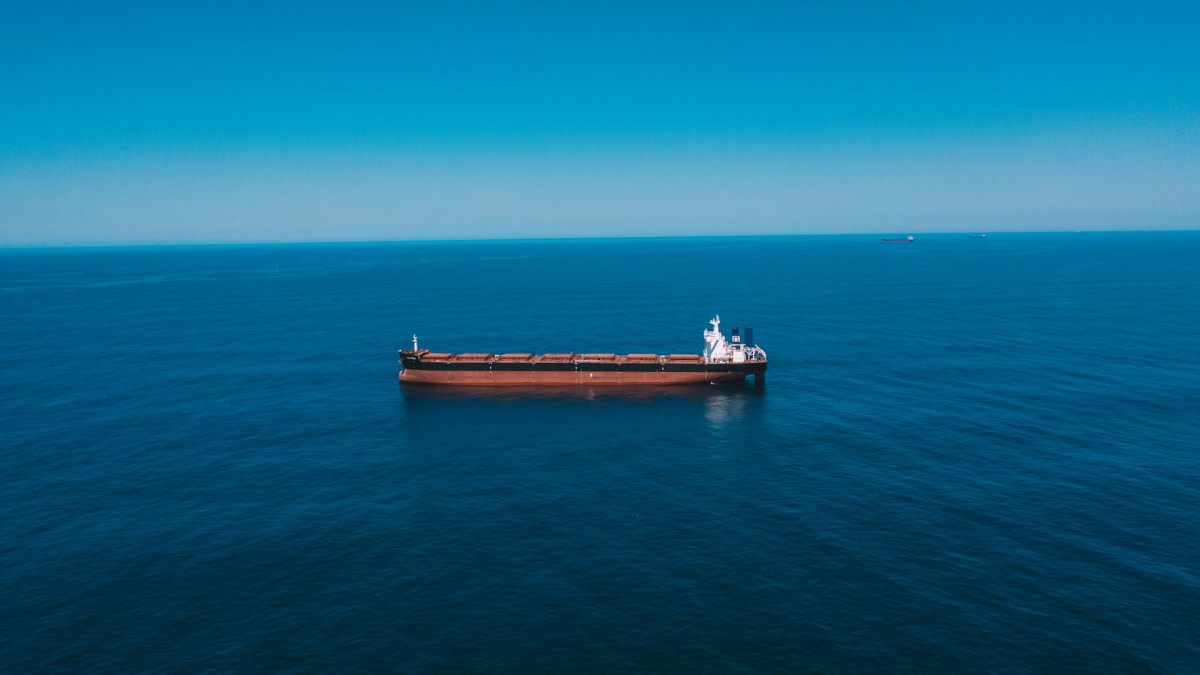
Goldman Sachs Sounds Alarm: Oil Prices Could Surge to $120 Amid Escalating Global Shipping Risks
Investment banking giant Goldman Sachs has issued a stark warning to global markets: crude oil prices could soar to an eye-watering $120 per barrel. This alarming forecast is primarily driven by a significant escalation in geopolitical tensions, particularly the rising shipping risks in critical waterways that are disrupting global supply chains and adding a substantial 'war risk' premium to the cost of crude.
The prediction, highlighted across major financial news outlets including OilPrice.com, underscores a deepening concern among energy analysts about the vulnerability of the global oil supply infrastructure to ongoing conflicts. While Goldman Sachs has long held a bullish outlook on oil, the current geopolitical landscape appears to be accelerating their price targets beyond previous expectations.
The Unfolding Crisis in the Red Sea: A Primary Catalyst
At the heart of Goldman Sachs' updated forecast is the escalating crisis in the Red Sea. Attacks by Houthi rebels on commercial shipping, particularly those linked to Israel or its allies, have forced many major shipping lines to reroute their vessels away from the Suez Canal – one of the world's most vital maritime arteries. This diversion necessitates a much longer journey around the Cape of Good Hope, adding thousands of miles and weeks to transit times between Asia and Europe.
- Longer Transit Times: The rerouting adds 10-14 days to journeys, delaying supply and effectively tightening immediate availability in some markets.
- Increased Costs: Longer routes consume more fuel (bunker fuel), increase operational expenses, and drive up insurance premiums, with a significant 'war risk' surcharge now common.
- Supply Chain Disruptions: Delays impact not just crude oil and refined products, but also a vast array of manufactured goods, creating ripple effects across global supply chains.
- Reduced Tanker Availability: With vessels tied up for longer durations, the effective capacity of the global tanker fleet is reduced, exacerbating shipping costs.
These disruptions do not directly remove crude oil from the market but significantly alter the economics and logistics of its delivery. The extra costs and time associated with shipping are effectively passed on, creating an upward pressure on prices at the destination markets.
Broader Market Dynamics and Supply-Demand Fundamentals
While shipping risks are the immediate trigger for Goldman's revised outlook, the forecast also rests on a foundation of tightening supply-demand fundamentals:
- OPEC+ Discipline: The OPEC+ alliance, led by Saudi Arabia and Russia, has largely maintained production cuts, demonstrating a commitment to stabilizing and supporting higher oil prices. This collective discipline limits the available spare capacity to respond to sudden supply shocks.
- Robust Demand Resilience: Despite global economic headwinds, oil demand has shown surprising resilience. Emerging markets, particularly in Asia, continue to drive consumption growth, offsetting weaker demand in some developed economies.
- Tighter Inventories: Global crude oil inventories have been gradually drawing down, indicating a market that is less cushioned against potential supply disruptions than in previous periods. Lower inventories mean less buffer for unforeseen events.
- Underinvestment in Production: Years of underinvestment in new oil and gas production capacity in various regions contribute to the long-term tightening of supply, making the market more sensitive to short-term disruptions.
These underlying market conditions create a fertile ground for geopolitical events to have a magnified impact on prices. The Red Sea crisis, therefore, isn't just an isolated incident but a critical stress test for an already finely balanced market.
Economic Ramifications: A Looming Inflationary Threat
A sustained surge in oil prices to $120 per barrel would carry significant economic ramifications globally. Historically, sharp increases in crude oil have been closely correlated with inflationary pressures, impacting everything from fuel at the pump to the cost of manufacturing and transporting goods.
For central banks, which have been grappling with inflation for the past few years, a fresh oil shock would complicate monetary policy decisions. Higher energy costs could reignite inflationary spirals, potentially forcing central banks to maintain higher interest rates for longer or even consider further hikes, risking economic slowdowns or recessions.
Consumers would feel the pinch directly through higher gasoline prices, increased utility bills, and more expensive goods and services. Industries heavily reliant on transportation, such as logistics, aviation, and shipping, would face mounting operational costs, potentially leading to reduced profit margins or price increases for end-consumers.
Conclusion: Navigating a Volatile Energy Landscape
Goldman Sachs' warning serves as a sobering reminder of the interconnectedness of geopolitics, energy markets, and the global economy. The prospect of $120 oil, driven by the tangible threat of shipping disruptions, underscores the fragility of existing supply chains and the profound impact that regional conflicts can have on global stability and prosperity.
As the situation in the Red Sea remains volatile and broader geopolitical tensions persist, market participants, policymakers, and consumers alike will need to closely monitor developments. The path to $120 oil may be fraught with uncertainty, but the underlying risks highlighted by Goldman Sachs are undeniable, signaling a potentially turbulent period ahead for global energy markets.
Login to leave a comment.