


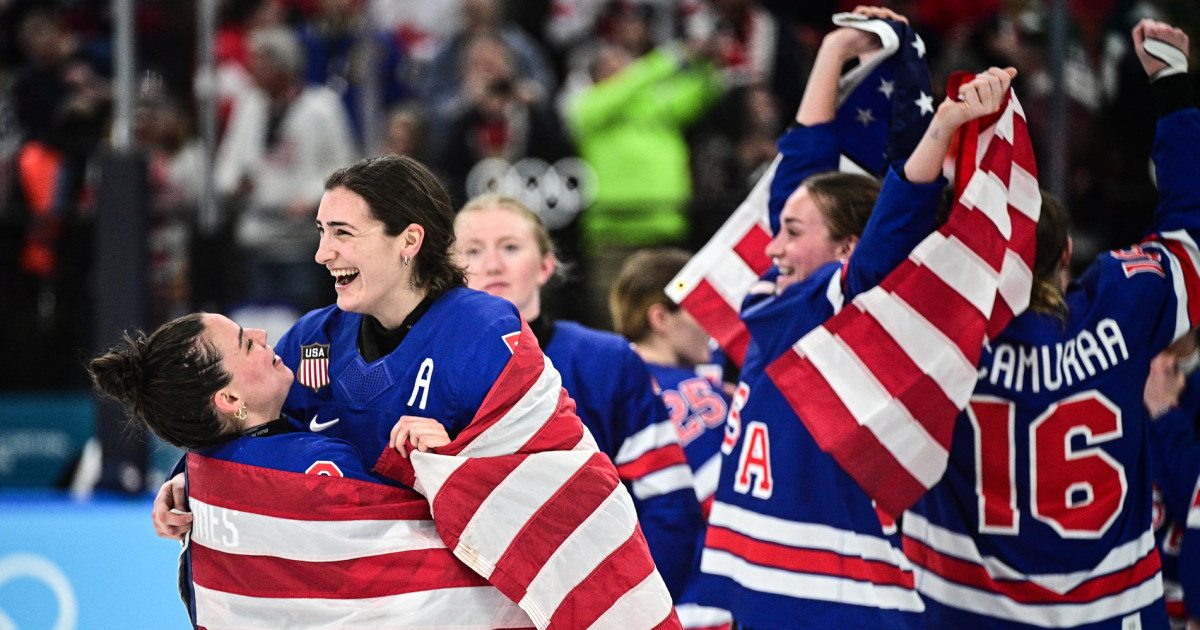
A Stand for Principle: U.S. Women's Hockey Team Opts Out of Presidential Address
Washington D.C. — The gold medal-winning U.S. Women's National Hockey Team, celebrated for their athletic prowess and unwavering fight for gender equity, quietly declined an invitation to attend President Donald Trump's State of the Union address. The decision, though not accompanied by an official public statement from the team, has been widely interpreted as a continuation of their commitment to focus on their core mission and avoid being drawn into partisan political events, especially given their history of advocacy for fair treatment and compensation.
The invitation, extended to the Olympic champions following their triumph at the 2018 PyeongChang Winter Games, offered a prominent seat at one of the nation's most significant political gatherings. Traditionally, presidential administrations invite prominent Americans, including successful athletes, to highlight their achievements and sometimes to underscore specific policy points during the address. However, sources close to the team indicated that the athletes collectively decided against attending, prioritizing their unity and message over the optics of a White House appearance.
A Legacy of Activism Beyond the Ice
The U.S. Women's National Hockey Team is no stranger to making powerful statements off the ice. Their decision to decline the SOTU invitation comes in the wake of a highly publicized and impactful standoff with USA Hockey in 2017. Prior to the World Championship, the team threatened to boycott the tournament over long-standing issues concerning equitable pay, marketing, and support compared to their male counterparts. This brave stance garnered widespread public support and ultimately led to a landmark agreement that significantly improved their compensation and working conditions.
This history of collective action has forged a team deeply conscious of its platform and the power of its collective voice. Their fight for equity resonated far beyond the rink, inspiring women and girls across various professional fields. It cemented their status not just as elite athletes, but as prominent advocates for social change.
Navigating the Political Landscape
Attending the State of the Union address, while an honor for many, is inherently a political act. Guests are often seated strategically to amplify messages the administration wishes to convey. For a team that has consistently emphasized unity and a non-partisan approach to their advocacy for women's sports, the prospect of being utilized in a political context may have presented a challenge to their carefully cultivated image and mission.
Observers suggest that the team's decision reflects a desire to maintain their independence and to ensure that their achievements and advocacy remain focused on sports and gender equality, rather than being co-opted for political purposes. This cautious approach is consistent with a broader trend among athletes who are increasingly discerning about how their public personas are used and by whom.
The Broader Context of Athlete Activism
The U.S. Women's Hockey Team's decision can be viewed within the larger framework of athlete activism that has gained significant traction in recent years. From kneeling during the national anthem to advocating for racial justice and fair labor practices, athletes are increasingly using their platforms to speak out on social and political issues.
Key aspects of this growing trend include:
- Heightened Awareness: Athletes are more aware than ever of their power to influence public discourse.
- Social Media Impact: Direct communication channels allow athletes to control their narrative and engage directly with fans.
- Collective Bargaining: Increased solidarity among players has empowered them to take unified stands on critical issues.
- Focus on Core Values: Many athletes choose to align their public appearances with their personal and team values.
For the U.S. Women's Hockey Team, whose very existence as a dominant force has been shaped by their battle for equity, declining the SOTU invitation likely serves as another testament to their commitment to these core values. It allows them to continue their work of inspiring future generations through their athletic accomplishments and their principled stance on fairness, without the potential distractions or perceived endorsements of a specific political agenda.
Implications and Future Outlook
While the team's decision was discreet, its implications are significant. It reinforces the idea that athletes, particularly those who have fought for their rights, are not obligated to accept every invitation, especially if it conflicts with their values or perceived mission. It also highlights the delicate balance between celebrating national athletic achievements and navigating the often-polarized political landscape.
Moving forward, the U.S. Women's National Hockey Team remains a powerful symbol of excellence and advocacy. Their continued focus will undoubtedly be on their sport, their upcoming competitions, and their ongoing efforts to ensure that women in hockey, and in all sports, receive the recognition and equitable treatment they deserve. Their quiet refusal to attend the State of the Union address speaks volumes, affirming their dedication to their principles above all else.
Login to leave a comment.