


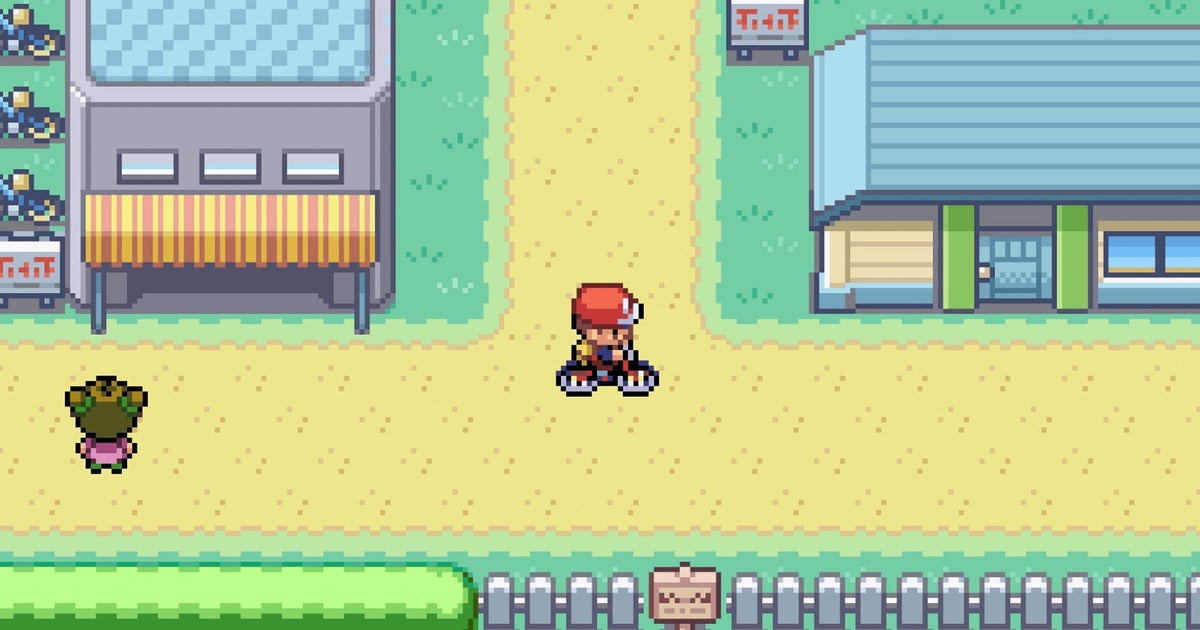
Pokémon FireRed & LeafGreen Soar on eShop, But Home Compatibility Mystery Looms
Nintendo Switch owners have flocked to the eShop in droves, propelling the newly re-released classic Game Boy Advance titles, Pokémon FireRed Version and Pokémon LeafGreen Version, straight to the top of the sales charts. The nostalgic remakes of the original Pokémon Red and Blue adventures have clearly struck a chord, proving the enduring appeal of the Kanto region and its inaugural 151 Pokémon. However, this triumphant re-entry into the modern gaming landscape is shadowed by a peculiar and concerning development: Nintendo has mysteriously removed all official mentions of Pokémon Home compatibility from the games' product pages, leaving fans bewildered and frustrated.
The re-release of FireRed and LeafGreen, originally launched in 2004 for the Game Boy Advance, was met with immense excitement. These games offered players a vibrant, color-enhanced return to the world that started it all, featuring improved graphics, new areas, and significant quality-of-life enhancements over their Game Boy predecessors. Their availability on the Nintendo Switch via the Nintendo Switch Online + Expansion Pack service seemed like a dream come true for both long-time fans yearning for a revisit and new players eager to experience the series' roots. The immediate chart-topping success is a testament to the powerful hold Pokémon continues to have on popular culture.
The Unquestionable EShop Dominance
Within hours of their availability, Pokémon FireRed and LeafGreen had surged past contemporary blockbusters and other revered retro titles on the eShop, firmly establishing their position at number one. This remarkable performance underscores several key factors:
- Nostalgia Powerhouse: For millions of players who grew up with the original Red/Blue or their GBA remakes, this is a direct portal back to their childhood.
- Accessibility: Playing these classics on a modern console, especially one as versatile as the Switch, is a significant draw.
- Completing the Legacy: With other Pokémon classics like Pokémon Red, Blue, and Yellow already available, FireRed and LeafGreen fill a crucial gap for those wishing to experience the entire Gen I narrative in its various forms.
The games' success speaks volumes about the demand for classic Pokémon experiences on current platforms, setting a high bar for any future retro releases from The Pokémon Company and Nintendo.
The Ghost in the Machine: Pokémon Home Compatibility
Amidst the celebratory buzz, a disquieting detail emerged. Prior to the games' release, official product descriptions and promotional materials explicitly stated that Pokémon FireRed and LeafGreen would be compatible with Pokémon Home. For modern Pokémon trainers, Home is not merely an app; it's the central hub for storing, trading, and transferring Pokémon across generations of games. It allows players to consolidate their cherished collections, transfer legacy Pokémon into newer titles, and complete their living Pokédexes.
The promise of Home compatibility was a major selling point. It meant that the Pokémon caught in Kanto on the Switch could eventually be brought into the latest mainline games like Scarlet and Violet, or simply preserved in the cloud. However, eagle-eyed fans and news outlets, including Eurogamer, quickly noticed a subtle but significant change: all references to Pokémon Home compatibility were silently scrubbed from the official product pages on Nintendo's various regional websites. No announcement, no explanation, just a quiet deletion.
Fan Outcry and Speculation
The removal has ignited a firestorm within the Pokémon community. Players who purchased the games under the assumption of Home compatibility feel misled. Forums and social media platforms are rife with speculation:
- Technical Hurdles: Could there be unforeseen technical difficulties in integrating GBA-era Pokémon with Home's current infrastructure?
- Strategic Decision: Is this a deliberate move to keep certain generations of Pokémon separate, perhaps to maintain a distinct 'retro' experience or to manage the meta in competitive play?
- Future Plans: Could compatibility be planned for a later date, and the initial mention was simply premature?
- Miscommunication: Was the initial inclusion of Home compatibility an error on Nintendo's part, leading to a quiet correction?
The lack of official communication from Nintendo or The Pokémon Company has only fueled the confusion and disappointment. This silence is particularly jarring given the games' overwhelming commercial success, which would typically warrant proactive engagement with the player base.
Implications for the Future of Retro Pokémon Releases
This incident sets a concerning precedent. If players cannot rely on initial product descriptions, it erodes trust and could impact future purchasing decisions for retro titles. The ability to transfer Pokémon has been a cornerstone of the series' longevity, fostering a sense of continuous adventure and collection across different console generations. Removing this feature, especially after it was promised, diminishes the long-term value for many completionist and competitive players.
While the joy of revisiting Kanto remains undimmed for many, the shadow of the Home compatibility mystery will undoubtedly persist. The Pokémon Company and Nintendo face a challenge in addressing this issue, both to reassure their dedicated fanbase and to clarify their long-term vision for integrating classic Pokémon experiences into the modern ecosystem. For now, trainers are left to enjoy their chart-topping journey through Kanto, all while wondering what secrets lie hidden not just within the tall grass, but within Nintendo's own product strategy.
Login to leave a comment.