


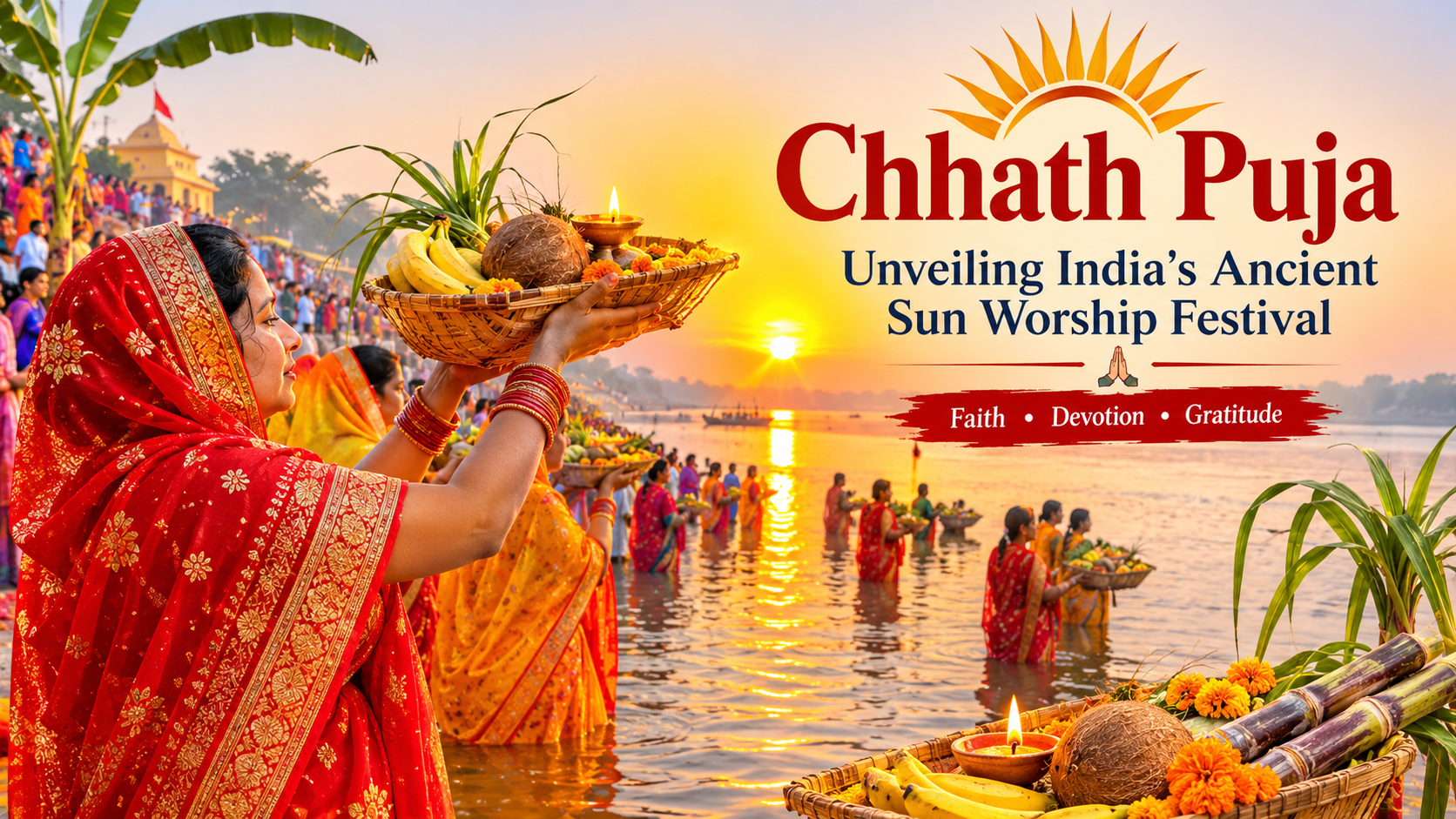
Chhath Puja, a revered ancient Vedic festival, stands as a profound testament to humanity's enduring gratitude towards nature and its life-giving forces, particularly the Sun God (Surya Devta) and Chhathi Maiya (Usha/Prakriti). Celebrated with unparalleled devotion primarily in the Indian states of Bihar, Jharkhand, and Uttar Pradesh, as well as in Nepal, this four-day festival transcends mere ritual, embodying deep cultural, spiritual, and even scientific significance. It's a unique observance where devotees rigorously fast, stand in water, and offer prayers to both the setting and rising sun, seeking blessings for health, prosperity, and longevity for their families. Unlike many other Hindu festivals, Chhath Puja is marked by its emphasis on purity, austerity, and a deep connection with the natural elements, making it a compelling subject for spiritual exploration and cultural understanding.
- Core Insight: Chhath Puja is a four-day ancient Vedic festival dedicated to the Sun God (Surya Devta) and Chhathi Maiya, celebrating gratitude towards nature, purity, and life-giving energy.
- Actionable Step: Understand the rigorous rituals, including fasting, holy bathing, and offering 'Arghya' to both setting and rising sun, to appreciate the devotees' unwavering faith.
- Key Value: This festival underscores themes of health, prosperity, environmental consciousness, and spiritual discipline, offering profound cultural and spiritual lessons.
Understanding Chhath Puja: A Deep Dive into Devotion
Chhath Puja is more than just a festival; it's a way of life for millions, observed with an extraordinary level of devotion and meticulous adherence to rituals. Originating from the ancient Vedic period, it pays homage to Surya Devta, the source of all life and energy, and his consort Usha, known as Chhathi Maiya in local traditions. The festival's uniqueness lies in its direct engagement with cosmic energies and its strict code of conduct, known as 'Parvaitin', observed by the devotees.
The Profound Significance of Chhath
The festival's significance is multifaceted, touching upon spiritual, physical, and environmental dimensions:
- Gratitude and Worship: It's primarily an expression of gratitude to the Sun God for sustaining life on Earth and granting blessings.
- Health and Longevity: Devotees believe that observing Chhath Puja blesses their families with good health, prosperity, and longevity, often performed for the well-being of children.
- Purity and Austerity: The rituals emphasize physical and mental purity, self-discipline, and abstinence, purifying the body and soul.
- Environmental Consciousness: The puja encourages cleanliness of rivers, ponds, and surrounding areas, fostering a deep respect for natural resources.
- Scientific Aspects: Standing in water during sunrise and sunset is believed to aid in absorbing beneficial solar energy (Vitamin D) and has therapeutic effects.
The Four Sacred Days of Chhath Puja Rituals
Chhath Puja unfolds over four meticulously planned days, each with its own set of rituals and spiritual significance. The observance requires immense dedication and strict adherence to a sacred code of conduct known as 'Parvaitin'.
Day 1: Nahay Khay (Bathe and Eat)
The festival commences with 'Nahay Khay', meaning 'bathe and eat'. Devotees take a holy dip, traditionally in a river or pond, signifying purification. After bathing, they prepare a single, Sattvic meal – typically Kaddu Bhaat (pumpkin rice) and chana dal – cooked in pure ghee, often using mango wood over an earthen stove. This meal is the only one consumed on this day, marking the beginning of the rigorous fasting period.
Day 2: Lohanda and Kharna
The second day is known as 'Lohanda' or 'Kharna'. On this day, devotees observe a complete fast from sunrise to sunset. In the evening, after offering prayers to the setting sun, they prepare a special 'prasad' (offering) called Rasiyaw-Kheer (rice pudding with jaggery), puris, and fruits. This 'prasad' is first offered to Chhathi Maiya and then consumed by the fasting individual, followed by distribution among family members and neighbors. After this meal, a strict, 36-hour nirjala (without water) fast begins.
Day 3: Sandhya Arghya (Evening Offering)
This is arguably the most significant day, known as 'Sandhya Arghya' or the 'evening offering'. Devotees, along with their families, make their way to riverbanks, ponds, or makeshift water bodies at sunset. Carrying a meticulously prepared 'Dala' (bamboo basket) filled with an array of offerings like Thekua (a traditional sweet snack), fruits, sugarcane, coconuts, and other seasonal produce, they stand in the water, facing the setting sun. Prayers are offered to Surya Devta and Chhathi Maiya, with the offering of 'Arghya' (water and milk) to the descending sun. The atmosphere is charged with devotion, hymns, and folk songs.
"The Sandhya Arghya isn't just an offering; it's a communion with the cosmic energy, a deep spiritual surrender to the life-giver, the Sun. It reinforces our connection to the elements that sustain us."
Day 4: Usha Arghya (Morning Offering) & Paran
The final day begins before sunrise. Devotees return to the water body with their 'Dala' once more. They stand in the cold water, eagerly awaiting the first rays of the rising sun. As the sun appears on the horizon, they offer 'Arghya' to the rising sun (Usha Arghya), symbolizing gratitude for a new day, renewed life, and future prosperity. After the 'Usha Arghya', devotees break their 36-hour fast by consuming the 'prasad' and receiving blessings from the elders. This breaking of the fast is known as 'Paran'.
The Philosophy Behind the Fasting and Offerings
The stringent fasting and specific offerings during Chhath Puja are rooted in deep philosophical and spiritual beliefs:
- Body Purification: The rigorous fasts, particularly the 'nirjala' fast, are believed to cleanse the body of toxins and purify the mind, aligning the devotee with higher spiritual vibrations.
- Mental Discipline: The self-control required for the fasts and rituals cultivates mental strength, patience, and unwavering faith.
- Connection with Nature: Standing in water and offering prayers directly to the sun reinforces humanity's intrinsic connection and dependence on natural elements, fostering humility and reverence.
- Community Spirit: The communal gatherings at riverbanks, the sharing of 'prasad', and collective prayers foster a strong sense of community, equality, and collective well-being, transcending social hierarchies.
Cultural Impact and Environmental Harmony
Chhath Puja has a profound cultural impact, especially in the regions where it's celebrated. It's a time for family reunions, traditional folk songs (often sung by women while preparing 'prasad' or at the Ghats), and a vibrant display of regional customs and attire. Moreover, the festival inherently promotes environmental harmony. Before Chhath, communities undertake extensive cleaning drives for rivers, ponds, and Ghats, emphasizing the importance of clean water bodies – a practice that resonates deeply with modern ecological concerns.
Frequently Asked Questions (FAQs)
Q: Why is Chhath Puja celebrated?
A: Chhath Puja is celebrated to offer gratitude to the Sun God (Surya Devta) and Chhathi Maiya for sustaining life on Earth, and to seek blessings for the well-being, prosperity, and longevity of family members.
Q: What are the main offerings during Chhath Puja?
A: Key offerings include Thekua (a sweet cookie), fruits like sugarcane, bananas, and coconuts, rice-based sweets (Kheer), and other seasonal produce, all presented in a bamboo basket called 'Dala'.
Q: Who is Chhathi Maiya?
A: Chhathi Maiya is revered as the sister of the Sun God, often identified with Usha (dawn) or Prakriti (nature). She is considered the goddess of children and is worshipped for their protection and prosperity.
Q: Can anyone perform Chhath Puja?
A: While traditionally performed by married women for the welfare of their children and family, men also observe the fast. The devotion and strict adherence to purity are paramount for anyone undertaking the puja.
Q: Where is Chhath Puja primarily celebrated?
A: Chhath Puja is predominantly celebrated in the Indian states of Bihar, Jharkhand, and Uttar Pradesh, as well as in Nepal's Terai region, and by migrants from these areas across the globe.
Conclusion: A Timeless Tradition of Gratitude
Chhath Puja stands as a powerful symbol of faith, purity, and reverence for nature. Its ancient rituals, profound philosophical underpinnings, and deep cultural resonance make it one of the most unique and spiritually enriching festivals. It reminds us of our intrinsic connection to the cosmos, the importance of gratitude, and the enduring power of discipline and devotion. As society continues to evolve, the timeless lessons embedded in Chhath Puja – respect for nature, collective well-being, and unwavering faith – remain profoundly relevant.
What aspects of Chhath Puja do you find most inspiring? Share your thoughts and experiences in the comments below!
Login to leave a comment.